Serviced Homes: A Complete Guide to Modern Living Solutions
The concept of serviced homes has become a defining trend in modern living and travel. Unlike traditional rental apartments, serviced homes combine the comfort of residential living with the convenience of hotel-like services. They are fully furnished, equipped with modern appliances, and often include utilities, cleaning, and customer support within the rental fee.
Serviced homes are designed for both short- and long-term stays. They cater to professionals on business trips, families relocating temporarily, digital nomads, and travelers who seek more space and privacy than typical hotels. Their popularity has risen globally, especially in tier-1 countries where flexible, high-quality housing solutions are in high demand.
The Evolution of Serviced Homes

Initially, serviced homes emerged as an alternative to extended-stay hotels. They were particularly attractive to business travelers who needed accommodations for weeks or months without the impersonality of a hotel. Over time, the concept evolved to meet the wider needs of holidaymakers seeking local immersion, expatriates requiring transitional housing, and even luxury travelers desiring high-end residences with concierge services.
Today, serviced homes come in many forms: urban apartments in city centers, suburban villas for families, and luxury penthouses equipped with smart home technology. This evolution reflects a broader shift in consumer expectations—people now prioritize flexibility, personalization, and convenience over rigid housing models.
Real-World Examples of Serviced Homes
Urban Luxury Apartments
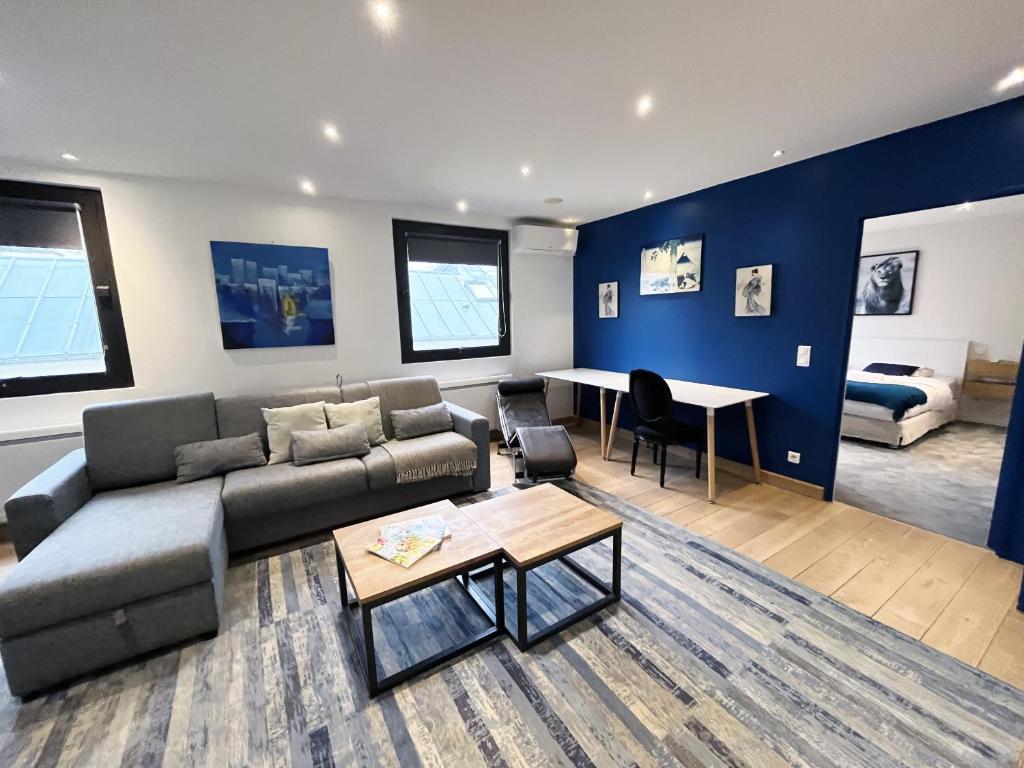
In cities like London, New York, and Singapore, urban luxury serviced apartments have become a staple for business professionals. These homes provide prime locations close to financial districts, full furnishing, 24/7 concierge support, and on-site amenities like gyms and co-working spaces.
Their relevance lies in the fact that they eliminate the hassle of setting up utilities, internet, or furniture, making them particularly attractive to short-term corporate stays or professionals on international assignments.
Family-Oriented Serviced Villas

For families, serviced villas in suburban or resort-style locations are increasingly popular. These homes typically feature multiple bedrooms, kitchens, private gardens, and cleaning services. They are especially appealing for relocating families or long vacations where space and comfort are priorities.
The value here is that families can maintain their lifestyle in a new city without sacrificing comfort, while also enjoying professional maintenance and support that simplifies daily living.
Smart Serviced Homes

A growing category is smart serviced homes, which integrate advanced technologies such as automated lighting, voice-controlled assistants, and app-based service management. Guests or residents can manage utilities, request cleaning, or even book transport through digital platforms.
This type of serviced home is particularly relevant for younger generations and tech-savvy professionals. It enhances convenience and personalizes the living experience, reflecting the future of housing solutions.
Resort-Style Serviced Homes
In leisure destinations such as Bali, Dubai, or Miami, serviced homes often resemble resort villas. They provide luxury interiors, private pools, and full-time staff, including chefs and butlers. These homes merge the intimacy of private living with the indulgence of resort amenities.
The key appeal is that they allow guests to enjoy the comforts of a home environment while accessing services normally reserved for five-star hotels. This balance makes them ideal for luxury travelers and long-term holidaymakers.
Corporate Housing Solutions
Serviced homes have also become a cornerstone for corporate housing. Companies provide employees with serviced apartments during relocations or long assignments abroad. These homes offer both comfort and proximity to workplaces, saving costs compared to long-term hotel stays while improving employee satisfaction.
The relevance here is practical efficiency. Serviced homes streamline relocation processes and support employee well-being, which can boost productivity and loyalty.
How Technology Enhances Serviced Homes
Technology has transformed serviced homes into smarter, more efficient, and more attractive living options.
First, smart home systems have become a major benefit. Residents can control climate, lighting, and entertainment through apps or voice assistants, ensuring their space is tailored to their preferences.
Second, digital concierge platforms allow tenants to request services like housekeeping, grocery delivery, or maintenance through mobile apps. This eliminates traditional inconveniences, making serviced living more seamless and efficient.
Third, secure digital access systems—like keyless entry with biometrics or smartphone verification—enhance safety while simplifying check-in and access. This is especially useful for short-term guests and traveling professionals.
Practical Benefits of Serviced Homes
The practical advantages of serviced homes go beyond convenience. One of the most significant benefits is flexibility. Unlike traditional leases, serviced homes allow residents to choose from daily, weekly, or monthly arrangements, accommodating a wide range of needs.
Another advantage is cost efficiency. While nightly rates may seem higher than long-term leases, the inclusion of utilities, furnishings, and services often makes them more affordable than hotels or fully setting up an apartment.
Serviced homes also promote comfort and personalization. They are designed to feel like real homes rather than temporary accommodations, which can reduce the stress of relocation or travel.
Use Cases: Why Serviced Homes Are Essential
Serviced homes solve specific problems across multiple scenarios.
For business travelers, they remove the impersonal experience of hotels while providing space for work-life balance. For example, a professional can work from a living room and still enjoy home-cooked meals in a furnished kitchen.
For families relocating internationally, serviced homes eliminate the stress of finding, furnishing, and maintaining a house upon arrival. Families can settle immediately while exploring longer-term housing options.
For digital nomads, serviced homes provide flexible living that matches their travel schedule. They can enjoy local immersion without being tied down by long-term rental agreements.
For luxury travelers, resort-style serviced homes offer privacy and exclusivity, blending the indulgence of luxury resorts with the comfort of private residences.
Frequently Asked Questions
What exactly is a serviced home?
A serviced home is a fully furnished residential property that includes utilities, housekeeping, and often concierge-style services, designed for flexible short- or long-term stays.
Who benefits most from serviced homes?
Serviced homes are ideal for business travelers, relocating families, digital nomads, and luxury travelers seeking both convenience and comfort.
How are serviced homes different from hotels?
Unlike hotels, serviced homes offer more space, privacy, and home-like amenities such as kitchens and living rooms, while still providing professional services and support.