Granicus Host Compliance in 2025 – Features, Benefits, and Real-World Applications
The growth of short-term rentals has transformed how people travel and how homeowners generate income. However, this rapid expansion also brings new challenges for local governments tasked with enforcing compliance, regulating zoning laws, and ensuring neighborhood stability. Granicus Host Compliance has become a critical solution for municipalities worldwide, providing tools to monitor, regulate, and enforce short-term rental laws.
In this article, we will explore the details of Granicus Host Compliance, how it works, its benefits, and real-world examples of how it is used to solve pressing challenges in short-term rental management.
What is Granicus Host Compliance?
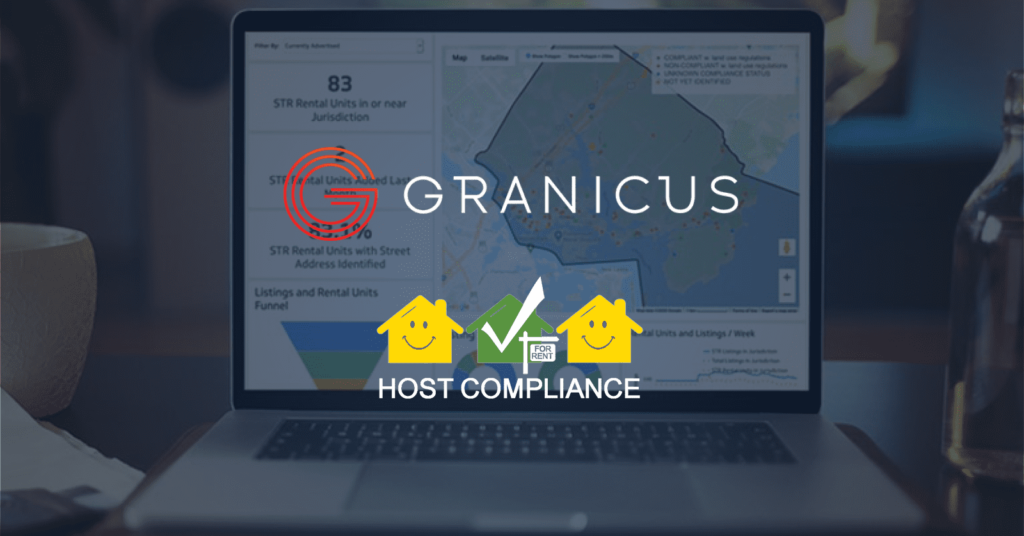
Granicus Host Compliance is a technology platform designed to help local governments monitor and regulate short-term rental activities. With the rise of platforms like Airbnb and Vrbo, many cities face difficulty tracking rental properties, enforcing licensing requirements, and ensuring compliance with local tax laws.
This solution automates the process of identifying non-compliant rentals, gathering evidence, and providing municipalities with actionable insights. It enables local governments to not only protect their communities but also capture lost revenue through uncollected lodging taxes.
By centralizing monitoring and compliance into one platform, Granicus Host Compliance empowers cities and counties to manage short-term rentals with efficiency and fairness.
Why Granicus Host Compliance Matters
The short-term rental industry has expanded at an unprecedented rate. While it offers economic benefits such as increased tourism and property owner income, it also creates issues, including housing shortages, neighborhood disturbances, and tax revenue losses.
Granicus Host Compliance matters because it bridges the gap between rapidly evolving short-term rental markets and often under-resourced municipal departments. Without such tools, enforcement becomes nearly impossible, leading to widespread non-compliance and potential community dissatisfaction.
Core Features of Granicus Host Compliance
Granicus Host Compliance provides a wide array of features tailored for government agencies:
- Automated Short-Term Rental Identification – Detects active rentals across platforms without manual research.
- Permitting and Licensing Support – Helps local governments process applications and verify compliance.
- Tax Collection and Reporting Tools – Ensures municipalities receive lodging tax revenue.
- Complaint Management – Provides systems for residents to report rental issues, ensuring transparency.
- Data Analytics – Offers insights on rental activity, revenue trends, and compliance rates.
- Evidence Gathering – Collects and organizes information that can be used for enforcement actions.
These features enable local governments to adopt a proactive rather than reactive approach to regulation.
Benefits of Using Technology for Compliance
The benefits of adopting a platform like Granicus Host Compliance extend far beyond simple enforcement.
- Improved Efficiency
Municipal staff can save countless hours by automating rental identification and compliance monitoring. - Increased Revenue
Local governments can recover lost lodging taxes by ensuring property owners comply with tax obligations. - Stronger Community Trust
Residents gain confidence when they see municipalities actively regulating and enforcing fair practices. - Better Housing Management
By limiting illegal or non-compliant rentals, communities can better preserve housing stock for long-term residents. - Enhanced Transparency
With accessible data and complaint tracking, municipalities provide a transparent process for both landlords and residents.
Real-World Examples of Granicus Host Compliance in Action
City of San Diego

San Diego faced significant challenges in regulating short-term rentals due to its popularity as a tourist destination. Granicus Host Compliance enabled the city to identify thousands of unregistered properties and streamline its permitting process.
The system also helped enforce the city’s new rental caps and ensured hosts complied with occupancy and safety standards. This not only recovered tax revenue but also improved housing availability for residents.
Lake Tahoe Region

The Lake Tahoe area has long struggled with balancing tourism and community sustainability. By adopting Granicus Host Compliance, local authorities were able to track rental activity across multiple platforms.
The complaint management feature allowed residents to report noisy or disruptive rentals directly, creating a more transparent system. This improved relationships between permanent residents and vacation property owners, while ensuring tax compliance.
City of Denver

Denver adopted Granicus Host Compliance to regulate its growing short-term rental market. The platform’s automated monitoring helped identify unlicensed rentals and gave city officials the evidence needed to issue citations.
Through effective monitoring and enforcement, Denver increased its compliance rates dramatically and collected millions in additional tax revenue. The city is now seen as a model for effective short-term rental regulation in the U.S.
Maui County, Hawaii
Maui County faced unique challenges with short-term rentproductue to its tourism-heavy economy and limited housing availability. Granicus Host Compliance provided the county with data-driven insights that helped enforce zoning laws and protect housing for local families.
By leveraging these tools, Maui ensured that vacation rentals did not overwhelm the local housing market and that property owners complied with licensing requirements.
City of Portland
Portland used Granicus Host Compliance to create a more robust compliance framework. The platform allowed the city to track rental patterns, enforce permits, and create more accurate forecasts of lodging tax revenue.
This level of transparency helped city officials plan for future housing policies and balance community needs with economic benefits.
Practical Use Cases of Granicus Host Compliance
Tackling Illegal Rentals
Illegal or unregistered rentals can drain tax revenue and destabilize housing markets. Granicus Host Compliance helps cities automatically identify these properties and take swift action.
Strengthening Housing Policy
By accurately tracking short-term rental activity, municipalities can create better housing policies, ensuring affordable housing remains available for residents.
Enhancing Neighborhood Quality of Life
Complaints about noise, parking, or safety are common with unregulated rentals. Host Compliance provides systems for residents to file reports, ensuring municipalities respond quickly.
Increasing Tax Collection
Municipalities often lose significant revenue when property owners fail to pay lodging taxes. Granicus Host Compliance ensures compliance, recapturing revenue that can be reinvested into community services.
Conclusion
Granicus Host Compliance has become an essential tool for municipalities around the world as they navigate the challenges of short-term rentals. By combining automation, data analytics, and enforcement support, the platform empowers cities to regulate fairly and effectively.
From San Diego to Maui, real-world examples show the transformative power of this technology in increasing compliance rates, protecting housing, and ensuring communities thrive alongside tourism. In 2025, as short-term rental markets continue to grow, Granicus Host Compliance remains one of the most important solutions for local governments.
FAQ
1. How does Granicus Host Compliance identify unregistered rentals?
It uses automated scanning technology to monitor platforms like Airbnb and Vrbo, cross-referencing listings with government records to flag unlicensed properties.
2. Can residents directly report rental issues through the system?
Yes, the complaint management feature allows residents to submit concerns, which are then tracked and managed by local government staff.
3. Is Granicus Host Compliance only for large cities?
No, the platform is scalable. It can be used by both large metropolitan areas and smaller municipalities to address short-term rental challenges effectively.