Airbnb for Rental Property: Complete Guide to Profitable Hosting and Smart Investment Strategies
The concept of Airbnb for rental property has revolutionized the way homeowners and investors approach real estate. Instead of relying solely on long-term tenants, property owners now have the option to generate higher income through short-term rentals. Airbnb, one of the largest platforms in this space, provides the infrastructure, marketing, and technology needed to connect hosts with travelers worldwide.
This guide explores what Airbnb for rental property means, why it’s growing, how it works, and the tools that make it successful. We’ll also examine real-world examples of hosts and businesses, discuss benefits and use cases, and highlight the role of technology in scaling short-term rental strategies.
What Does Airbnb for Rental Property Mean?
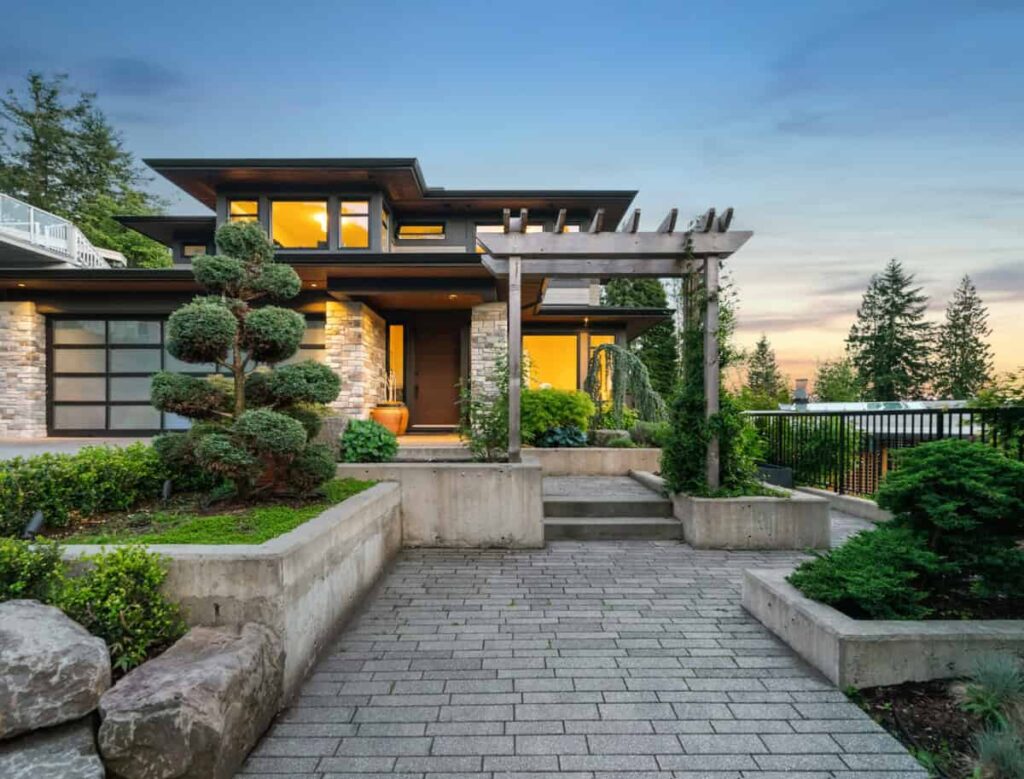
Airbnb for rental property refers to using residential homes, apartments, or vacation units as short-term rentals through the Airbnb platform. Property owners list their spaces, set prices, and connect with guests seeking accommodations ranging from single nights to extended stays.
For investors, Airbnb transforms a rental property into a flexible income-generating asset. Instead of fixed monthly rent, they can adjust pricing dynamically based on demand, location, and seasonality. This flexibility often results in higher returns compared to traditional renting.
Why Airbnb for Rental Property Is Growing
Several factors have fueled the growth of Airbnb for rental property. Travel patterns have shifted toward personalized, home-like accommodations, and guests often prefer the comfort and affordability of short-term rentals over hotels.
Additionally, property investors view Airbnb as a way to diversify income streams. Instead of being locked into long-term leases, they can optimize rental strategies for higher occupancy and profitability. The rise of remote work and longer “workation” stays has further increased demand for Airbnb-style rentals.
How Airbnb for Rental Property Works

The Hosting Process
Property owners create listings on Airbnb by providing photos, descriptions, and pricing. Airbnb handles the marketing, guest communication, and booking management, while hosts manage property upkeep and guest experience.
Dynamic Pricing
Airbnb provides tools that suggest nightly rates based on demand, seasonality, and comparable listings. This allows property owners to adjust pricing in real time, maximizing profitability.
Guest Experience
The success of Airbnb hosting depends heavily on reviews. High-quality experiences, cleanliness, and responsive communication drive repeat bookings and higher occupancy rates.
Real-World Examples of Airbnb for Rental Property
Urban Apartment Rentals in New York City

Many property investors in New York have turned small apartments into highly profitable Airbnb rentals. With limited hotel availability and high tourist demand, these short-term rentals often achieve higher income than long-term leases. By targeting business travelers and tourists, hosts maximize occupancy while benefiting from premium city pricing.
Vacation Homes in Bali

Bali’s booming tourism industry has made it a hotspot for Airbnb rentals. Property owners list villas and beachside homes for short-term stays, attracting international guests. These rentals generate consistent income thanks to Bali’s year-round travel demand, showing how Airbnb can turn vacation properties into sustainable investments.
Converted Rural Cottages in the UK
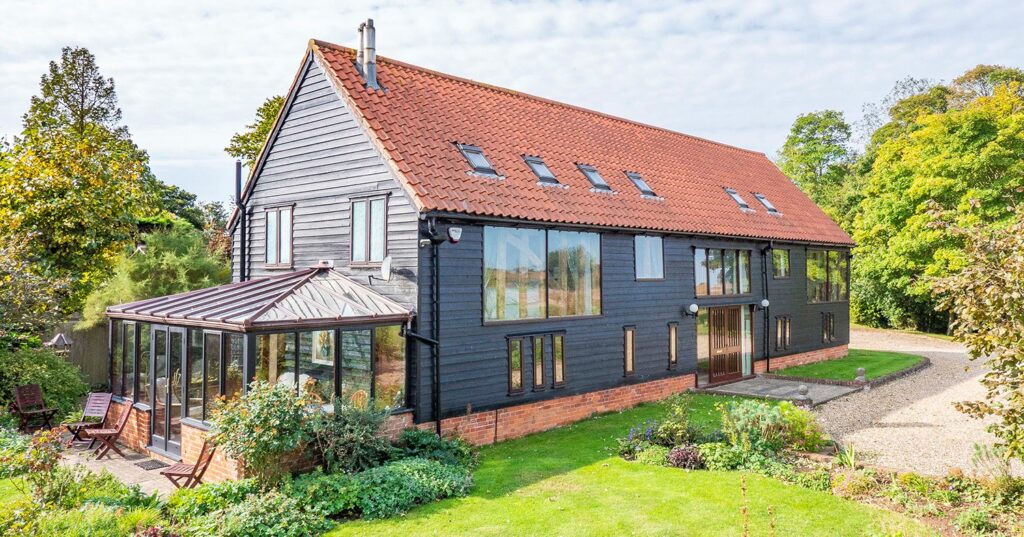
In rural England, many property owners have converted cottages into Airbnb rentals. By highlighting charm, heritage, and countryside experiences, they appeal to travelers seeking unique stays. These listings demonstrate how even rural or unconventional properties can succeed on Airbnb with proper positioning.
Multifamily Units Managed by Professional Hosts
In cities like Los Angeles and Austin, professional Airbnb management companies handle multiple rental units. They use advanced pricing tools, automated check-in systems, and cleaning services to scale operations efficiently. This example illustrates how Airbnb has grown from individual hosts to larger businesses managing portfolios of properties.
Benefits of Airbnb for Rental Property
Higher Income Potential
Airbnb often generates more income than long-term renting, particularly in tourist-heavy or high-demand areas. Hosts can adjust rates dynamically to capitalize on peak seasons.
Flexibility for Property Owners
Unlike traditional leases, Airbnb allows owners to block off dates for personal use. This flexibility is appealing for those who want to both monetize and enjoy their properties.
Market Reach and Visibility
Airbnb provides a global platform with millions of users, giving hosts access to an international customer base without extensive marketing efforts.
Community and Cultural Exchange
Beyond financial gains, Airbnb allows hosts to meet guests from around the world, fostering cultural exchange and unique experiences.
Technology’s Role in Airbnb for Rental Property
Technology is central to Airbnb’s success, enabling both efficiency and scalability.
- Dynamic Pricing Algorithms: Airbnb’s pricing tools suggest optimal nightly rates, balancing competitiveness and profitability.
- Automated Guest Communication: Hosts use tools like automated messaging and check-in instructions, improving guest experiences while saving time.
- Smart Home Devices: Keyless entry systems, smart thermostats, and security cameras streamline property management and enhance safety.
- Property Management Platforms: Tools like Guesty or Hostaway help professional hosts manage multiple listings, bookings, and cleaning schedules in one dashboard.
Technology ensures smoother operations, allowing property owners to focus on guest experience while maintaining profitability.
Use Cases of Airbnb for Rental Property
Supporting Property Investors
Airbnb allows real estate investors to maximize returns by converting long-term rentals into flexible short-term stays. This approach is particularly effective in high-demand tourist areas where nightly rates exceed monthly rent equivalents.
Helping Homeowners Generate Side Income
Homeowners with spare rooms or secondary properties can earn supplementary income by hosting on Airbnb. This has become a financial safety net for many families, especially during economic downturns.
Facilitating Tourism Growth
Airbnb has expanded lodging options in cities and rural destinations alike. By offering more affordable and unique stays, Airbnb supports local tourism and small businesses.
Meeting Remote Work and Long-Term Stay Demand
With remote work becoming common, Airbnb rentals are increasingly used for extended stays. Hosts who adapt properties for work-friendly environments tap into this growing demand.
Revitalizing Underutilized Properties
Unused or vacant properties can be transformed into income-generating assets through Airbnb. This not only benefits owners but also revitalizes neighborhoods by attracting visitors.
Frequently Asked Questions
1. Is Airbnb for rental property more profitable than long-term leasing?
In many cases, yes. Short-term rentals can generate higher income through dynamic pricing and high occupancy rates. However, profitability depends on location, demand, and management quality.
2. What risks are associated with Airbnb rentals?
Risks include property damage, fluctuating demand, and regulatory restrictions in certain cities. Effective management and compliance with local laws help mitigate these risks.
3. Can homeowners with just one property succeed on Airbnb?
Absolutely. Many successful hosts start with a single property or even a spare room. Success depends on creating a positive guest experience, competitive pricing, and maintaining consistent quality.