Electricity for an Apartment: Complete Guide, Technology Benefits, and Real-World Examples
Electricity is one of the most critical utilities for comfortable living in an apartment. From lighting and appliances to heating, cooling, and internet devices, electricity powers every aspect of modern living. Understanding how electricity for an apartment is set up, managed, and optimized ensures tenants, landlords, and property managers avoid unnecessary issues while maintaining safety and efficiency.
This guide explores everything you need to know about electricity for an apartment, including how it works, steps to connect, the role of technology, real-world examples, benefits, and practical use cases.
Understanding Electricity for an Apartment
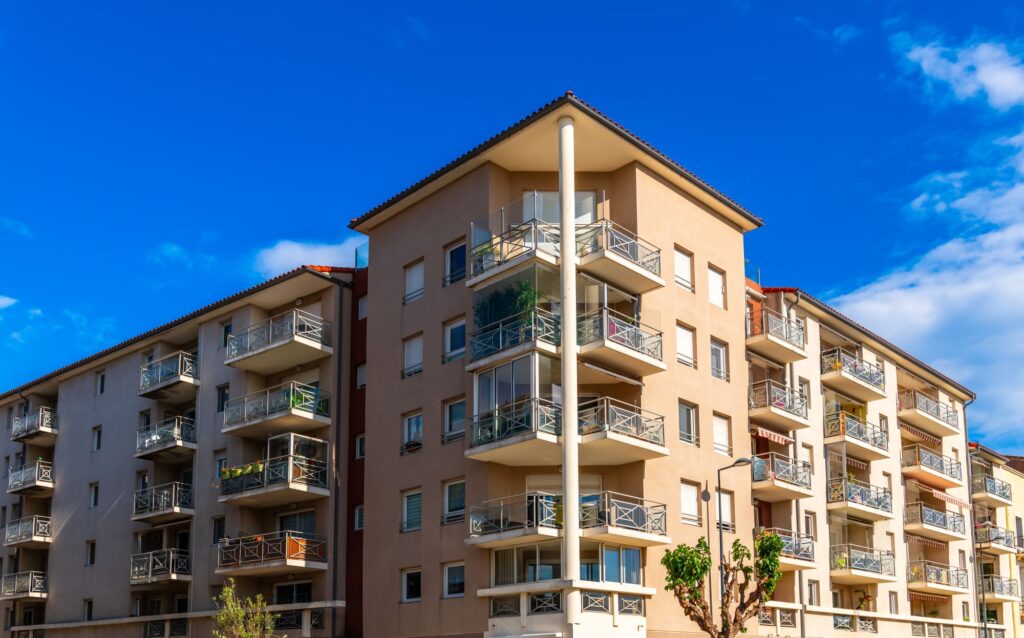
Electricity in an apartment is supplied through the local utility provider and distributed via building wiring to individual units. Each apartment typically has its own dedicated electricity meter that records usage, ensuring accurate billing.
For new tenants, setting up electricity involves opening an account with the utility provider and sometimes scheduling inspections to confirm the unit is safe and ready to receive power. In new developments, the building owner usually coordinates the initial setup with the utility provider, while tenants later activate services under their names.
Steps to Set Up Electricity in an Apartment
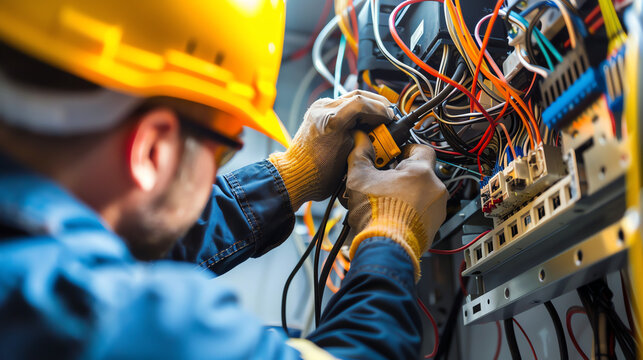
Setting up electricity in an apartment involves several important steps:
Account Registration with the Utility Provider
The first step is registering with the local utility provider. Tenants typically provide identification, lease agreements, and proof of residence to link their electricity usage to their billing account.
Meter Activation and Verification
Each apartment must have an active electricity meter. If the meter is not yet functional, utility companies send technicians to install, inspect, or activate it. In modern apartments, smart meters are often pre-installed, which allows for instant activation online.
Power Connection and Service Start
Once accounts are verified and meters are active, electricity flows into the apartment. Depending on provider procedures, this can happen the same day or within a few days, ensuring tenants have reliable access to power.
Technology’s Role in Apartment Electricity
Technology has reshaped how electricity is connected, monitored, and managed in apartment living. One of the most impactful innovations is the smart meter, which provides real-time data on energy usage. Unlike traditional meters, smart meters automatically transmit consumption data to the utility provider, reducing errors and eliminating the need for manual readings.
Digital platforms also enable tenants to activate electricity accounts online, avoiding the delays and paperwork of traditional setup processes. Many property managers now use integrated systems that automatically notify providers when a new tenant moves in, streamlining the utility setup process.
Additionally, mobile apps allow tenants to track usage, set consumption alerts, and better manage energy bills. This digital transformation not only saves time but also promotes smarter, more sustainable living in apartments.
Real-World Examples of Electricity in Apartments
Example 1: Smart Meters in Modern Apartment Buildings
A newly developed apartment complex in London installed smart meters across all units. Tenants can monitor real-time consumption through a mobile app, receive monthly usage breakdowns, and reduce waste by identifying peak energy hours.
This innovation eliminates billing disputes while promoting efficient usage, showing how digital meters modernize electricity management in apartments.
Example 2: Property Management Software for Utility Setup
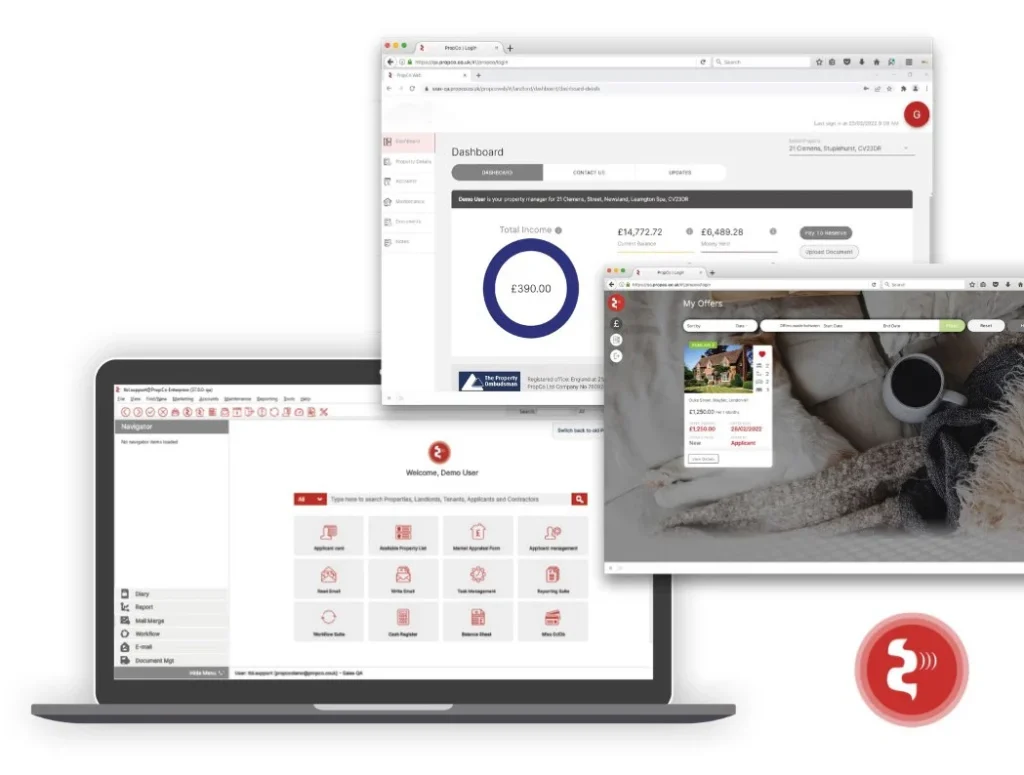
A property management firm in Los Angeles adopted an integrated platform that automatically connects tenants’ accounts with the local electricity provider upon lease signing. This ensures that power is active on move-in day without requiring tenant follow-up.
This real-world case highlights how automation reduces stress for tenants and cuts administrative work for property managers.
Example 3: Solar-Powered Apartments with Grid Integration
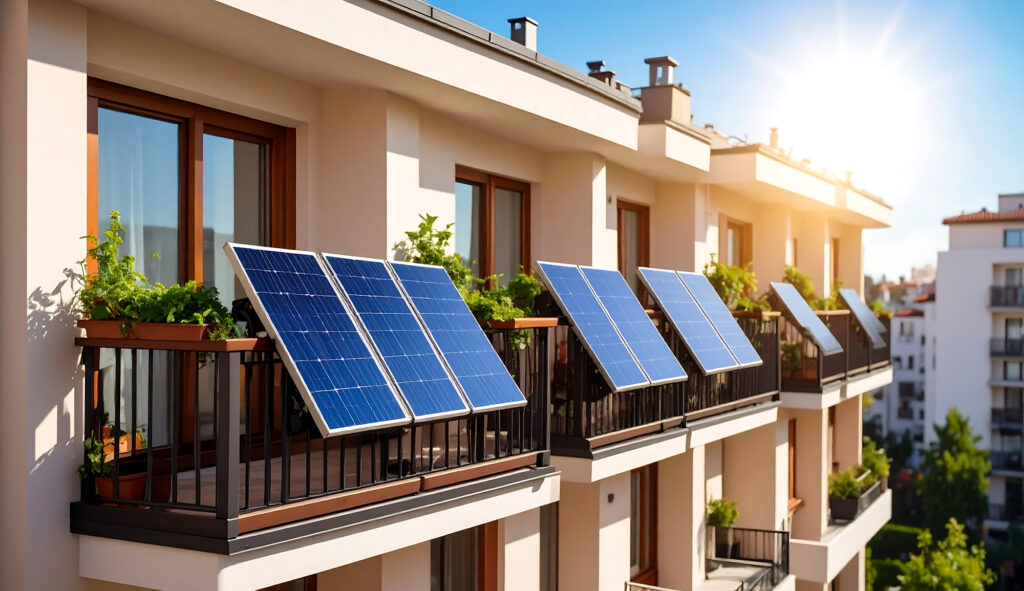
An eco-friendly apartment building in California connected its units to both the main power grid and an on-site solar system. During peak sunlight hours, tenants benefit from reduced electricity costs and cleaner energy. At night, they seamlessly switch back to the traditional grid.
This example illustrates how electricity for apartments can go beyond utility connections, incorporating sustainable energy solutions that benefit both tenants and the environment.
Example 4: Prepaid Electricity Systems in Student Apartments
In a student housing complex in South Africa, prepaid electricity systems were installed. Tenants purchase credits online or via mobile apps, which are automatically loaded to their apartment meters.
This system helps students budget their expenses while giving property managers clear visibility into usage and payment compliance.
Benefits of Technology in Apartment Electricity
Technology-driven electricity management offers a range of benefits for tenants, landlords, and providers.
For tenants, digital tools and smart meters allow for greater control over electricity consumption. They can identify patterns, adjust habits to save on bills, and enjoy transparency in billing.
For property managers, automation reduces administrative burden by eliminating the need to manually coordinate utility setup during tenant transitions. Disputes over usage or bills are minimized, creating smoother relationships between landlords and tenants.
For utility providers, digital platforms improve efficiency by eliminating manual meter readings, reducing operational costs, and ensuring more accurate billing. Providers can also use data to detect outages, identify grid issues, and improve service delivery.
Practical Use Cases of Electricity for Apartments
Moving Into a New Apartment
One of the most common use cases is ensuring electricity is ready when a new tenant moves in. Without proper setup, tenants may experience delays in accessing essential services like lighting, heating, or internet. Automation and digital systems ensure power is live on day one.
Shared Apartments and Split Billing
In shared apartments, electricity bills often cause disputes among roommates. With smart meters and consumption-tracking apps, bills can be divided fairly based on actual usage, eliminating arguments and ensuring transparency.
Energy Efficiency and Sustainability
Apartments adopting renewable energy sources such as rooftop solar can use technology to manage electricity seamlessly. Tenants can track how much energy comes from renewable sources versus the grid, encouraging more sustainable living.
Budgeting and Prepaid Systems
Prepaid systems are especially useful in student or low-income housing, where tenants need precise control over energy expenses. By pre-purchasing electricity, tenants avoid unexpected bills and manage their usage more responsibly.
Why Electricity for an Apartment Is Essential for Modern Living
Electricity is the lifeline of apartment living, powering daily routines, comfort, and productivity. Beyond simple connections, technology has made electricity smarter, faster to set up, and more sustainable. With solutions like smart meters, prepaid systems, and renewable energy integration, tenants gain more control, landlords reduce complexity, and providers improve efficiency.
As apartments become more advanced, electricity will increasingly be managed with digital platforms and sustainable systems, shaping the future of urban living.
Frequently Asked Questions
1. Do tenants or landlords handle electricity setup in apartments?
In most cases, tenants are responsible for registering accounts and paying for electricity. Landlords ensure wiring and meters are in place, while tenants activate service under their names.
2. How long does it take to connect electricity to an apartment?
The process can take from a few hours to a few days, depending on whether the apartment already has an active meter and the efficiency of the utility provider. Smart meters often allow same-day activation.
3. Can apartments use renewable energy for electricity?
Yes. Many modern apartments incorporate solar panels or other renewable systems alongside the main grid, providing tenants with greener, more cost-efficient electricity options.