Connecting Electricity to Apartment: Complete Guide, Benefits, and Real-World Examples
Moving into a new apartment is exciting, but one of the most essential tasks you cannot overlook is connecting electricity to the apartment. Without a proper setup, tenants risk delays, unexpected costs, or even unsafe living conditions. Fortunately, advancements in energy technology and property management systems have made the process more streamlined than ever.
This guide explores the detailed process of connecting electricity to an apartment, the role of technology, real-world case examples, benefits, and practical use cases that highlight why it is critical for modern living.
Understanding the Basics of Connecting Electricity to an Apartment
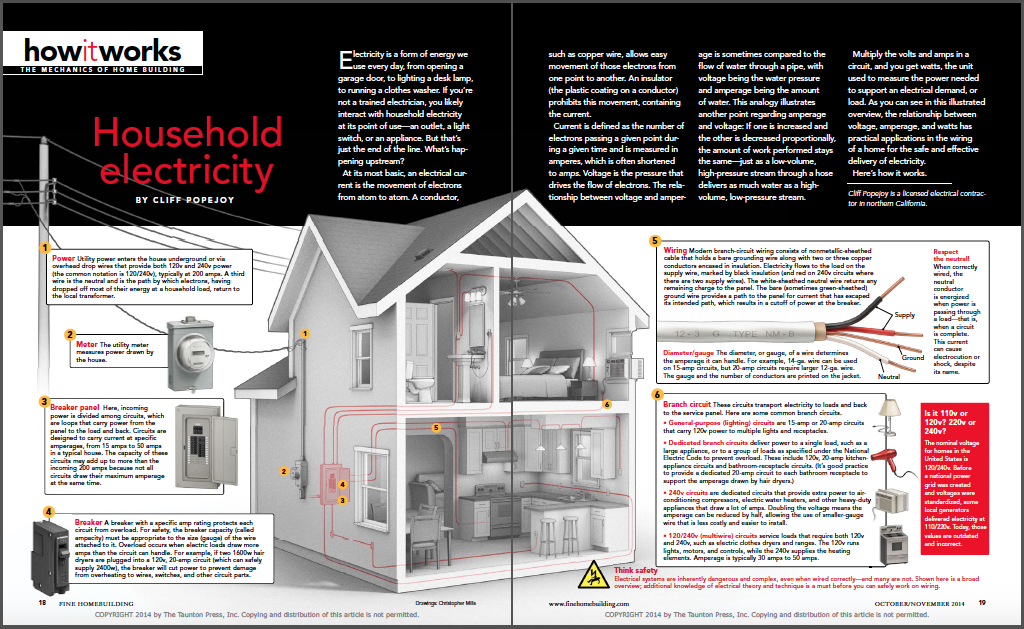
Connecting electricity to an apartment involves more than just flipping a switch. It starts with ensuring that the apartment is properly wired and ready to receive power from the utility provider. The process typically includes applying for a connection, setting up an account with the electricity provider, and sometimes scheduling an inspection before the service goes live.
For newly built apartments, developers or property managers often work with utility companies to ensure every unit is wired correctly. For tenants moving into existing apartments, the process may simply involve transferring or activating service under their name.
Steps Involved in Setting Up Electricity in an Apartment
The steps can vary depending on location and the utility provider, but the general outline includes:
Application and Verification
Tenants or landlords must apply to the electricity provider, usually requiring proof of identity, tenancy agreements, or lease documentation. This ensures that billing and service activation are linked to the right resident.
Meter Setup and Connection
Every apartment unit is equipped with its own electricity meter, which tracks consumption for billing purposes. If the meter is not yet active, utility providers may send a technician to inspect, install, or activate it.
Service Activation
Once verified, electricity is officially connected, allowing tenants to use appliances, lighting, and other electrical systems. In some cases, activation can happen within hours, while in others it may take a few days, depending on inspections and provider schedules.
Technology in Apartment Electricity Connections
Technology has simplified how electricity connections are managed. With digital platforms, many providers now allow tenants to set up or transfer service online, reducing the need for physical paperwork or phone calls.
Smart meters, for example, have transformed electricity management. Instead of manual readings, smart meters automatically record consumption data and send it directly to the utility provider. This not only eliminates estimation errors but also provides real-time monitoring of electricity usage, empowering tenants to manage their energy bills more effectively.
Additionally, property management software integrated with energy systems can automatically notify providers when tenants move in or out. This automation helps prevent delays, reduces administrative tasks, and ensures smooth service continuity.
Real-World Examples of Electricity Connection in Apartments
Example 1: Smart Meter Integration in Urban Apartments
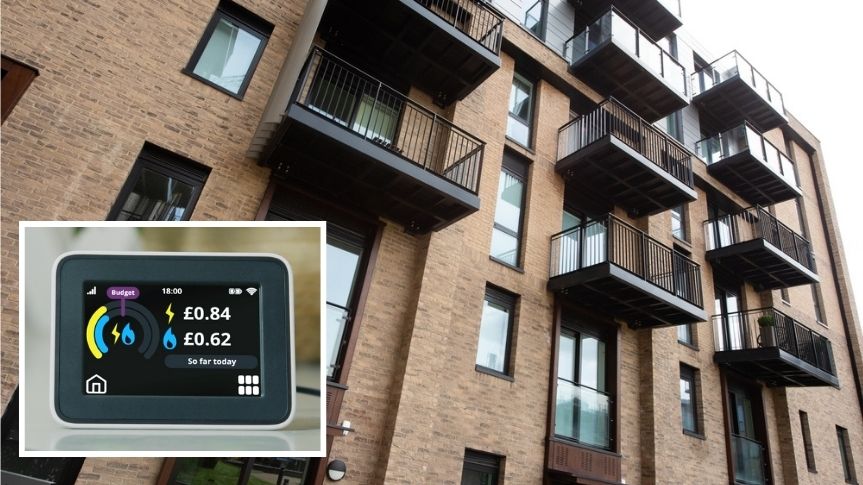
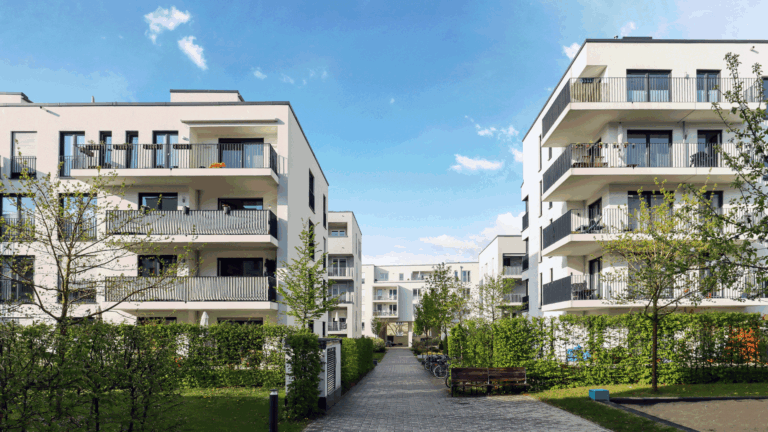
A modern apartment complex in New York integrated smart meters for each unit. When tenants move in, they can activate service online, and power begins immediately without needing a technician visit. These meters also allow tenants to track daily energy usage through a mobile app, helping them reduce unnecessary consumption and lower bills.
This example demonstrates how digital infrastructure can make the electricity connection process almost instant while providing ongoing benefits in monitoring and cost savings.
Example 2: Automated Utility Setup Through Property Management Systems
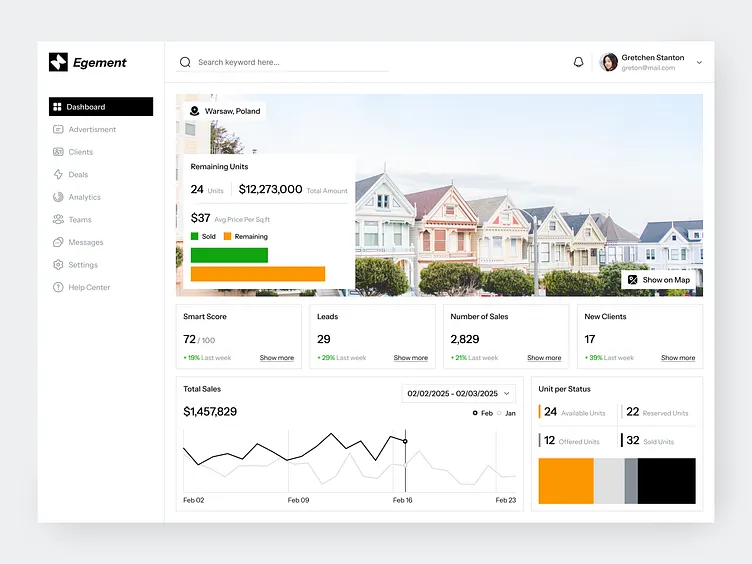
In a large residential building in Chicago, property managers use integrated software that automatically connects tenants’ utility accounts as soon as lease agreements are signed. This reduces delays and ensures electricity is ready on move-in day.
This automation reduces stress for tenants while also cutting administrative work for property managers, ensuring a smooth handover process.
Example 3: Solar-Powered Apartment Electricity Backup
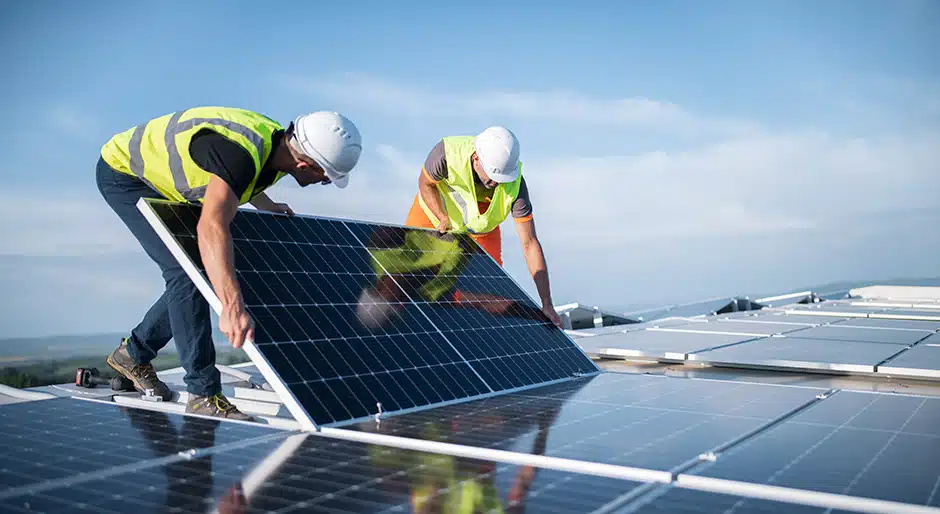
An eco-friendly apartment complex in California connected apartments not just to the main grid but also to a shared solar power system. Tenants receive power from traditional providers but benefit from backup power generated by solar panels during peak hours.
This approach highlights how connecting electricity can include sustainable solutions, helping tenants save money while reducing environmental impact.
Benefits of Using Technology in Connecting Electricity to Apartments
The integration of technology into electricity connections provides significant benefits for tenants, landlords, and property managers alike.
For tenants, it means faster setup, less paperwork, and more control over energy usage. With smart meters, they can avoid overbilling and monitor their energy consumption in real-time, leading to better budgeting.
For landlords and property managers, automated systems reduce the complexity of tenant move-ins and move-outs. Instead of manually coordinating with utilities, technology ensures seamless transitions, reducing disputes and service interruptions.
For utility providers, digital processes improve accuracy, efficiency, and customer satisfaction. Automated readings reduce the need for physical visits, lowering operational costs while providing more reliable service.
Practical Use Cases of Electricity Connection in Apartments
Moving Into a New Apartment
One of the most common use cases is when tenants move into a new apartment. Without a smooth electricity connection, tenants may face delays that disrupt their daily routines. Technology-driven solutions ensure power is ready from day one, eliminating unnecessary stress.
Shared Living and Split Billing
In apartments with multiple tenants, shared billing often creates disputes. Smart meters and digital platforms allow for precise consumption tracking, ensuring fair and transparent cost distribution among roommates.
Sustainable Energy Integration
As more apartments adopt renewable energy, connectingto electricity is no longer just about utility providers. Integrating solar or wind energy into apartment systems ensures tenants benefit from sustainable living while enjoying uninterrupted service during outages.
Why Connecting Electricity to Apartments is Essential for Modern Living
Electricity is the backbone of modern apartment living, powering everything from lights and appliances to internet and heating systems. A reliable and efficient electricity connection ensures comfort, safety, and productivity.
As cities grow and apartments become more advanced, the demand for efficient, technology-driven electricity connection processes will continue to rise. By adopting solutions such as smart meters, automated management, and renewable energy integration, the future of electricity in apartments will be more reliable, cost-efficient, and sustainable.
Frequently Asked Questions
1. How long does it take to connect electricity to an apartment?
The time varies depending on the provider and the apartment’s setup. Some connections can be activated the same day, especially with smart meters, while others may take several days if inspections or technician visits are required.
2. Do tenants or landlords handle the electricity connection?
This depends on the lease agreement. In most cases, tenants are responsible for setting up and paying for electricity, while landlords ensure that the apartment is properly wired and ready for activation.
3. Can electricity be connected before move-in?
Yes. Many providers allow electricity to be activated in advance so that power is ready on move-in day. This ensures tenants avoid delays and can use essential appliances immediately.